Skatepark Maintenance | A Safety Guide
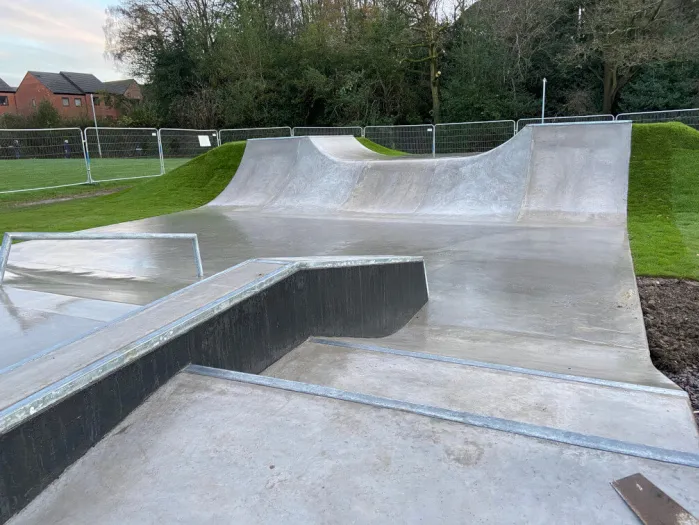
Good skatepark maintenance and refurbishment keep facilities safe and protect the investment in concrete and ramps, even after years of heavy use.
Concrete skateparks can withstand thousands of hours of riding with minimal maintenance, but ignoring small issues can lead to larger problems, such as cracks or drainage issues. Steel or timber ramps need more frequent checks for loose parts, worn surfaces, and rust at joints.
Having a maintenance plan also helps with funding. Insurers, grant providers, and councils o expect written proof of inspections, repairs, and risk management. For operators, the main goal is to keep the park open, appealing, and safe, while showing that risks are managed responsibly.
Proactive skatepark maintenance matters
A regular schedule of skatepark safety inspections is not only key to managing risk, but also creates a clear record in case something goes wrong. Experts recommend weekly visual checks for hazards such as broken glass, litter, damaged edges, and vandalism, and monthly inspections of the structure and all surfaces.
New concrete skateparks typically undergo weekly structural checks for the first two months after opening, then switch to monthly checks once deemed reliable. Prefabricated parks may require even more frequent inspections because their connections and surfaces can wear out much more quickly.
Having a qualified professional, such as an RPII member or Certified Playground Safety Inspector, conduct an independent inspection each year provides additional confidence and helps set standards across sites. It’s important to keep records of every inspection, including the date, inspector, findings, photos (if needed), and any actions taken or planned.
Surfaces, coping and drainage
When resurfacing or repairing a concrete skatepark, prioritise rider safety. Smooth surfaces, good traction, and predictable transitions are key to the park's rideability. For concrete parks, teams watch for cracks, spalling, and hollow spots. Local repairs using the right concrete mix, grinding, and polishing can address these issues without requiring a rebuild, as shown in recent UK projects.
Pool coping requires special care, as high-traffic areas can develop 'knuckling' at the seams and typically require repair or replacement every three to four years to keep grinds smooth and prevent wheels from catching. Drainage is just as important. Blocked drains and standing water can make surfaces slippery, speed up freeze-thaw damage, and weaken the base.
Bowls and low spots should be cleared of leaves and debris regularly. Keeping the areas around the skatepark, such as tarmac or rubber, in good condition helps prevent trips, prevents edges from failing, and keeps paths safe for everyone.
Managing graffiti and lighting
Managing graffiti is a delicate part of skatepark upkeep. For many communities, art is part of culture, but unchecked tagging can make the park feel less safe. Removing unwanted graffiti quickly, especially when a skatepark is new, helps prevent long-term vandalism. Some councils set aside walls for murals but keep riding surfaces clean.
Regular safety checks should also include fences, gates, and signs, since missing or damaged rules boards and warning signs can make it harder to defend against claims.
Lighting is also important. Good floodlights allow people to use the park safely in the evenings, but the equipment requires regular checks to ensure columns, fixings, and electrical systems are safe. Keeping the park clean through regular litter picks, bin emptying, and plant trimming also protects surfaces and helps everyone feel welcome.
Choosing professional partners
Choosing certified skatepark inspectors and experienced contractors is key to a strong maintenance plan, especially for councils with several busy sites. Many UK authorities now require inspections by RPII-registered or CPSI-qualified specialists, so you can be sure the work meets safety standards.
Specialist skatepark builders understand riding dynamics, reinforcement, and shotcrete work. Their expertise ensures that repairs not only look good but also ride well at speed.
Funding often comes from a mix of budgets, grants, and community fundraising. Showing a clear maintenance plan with good inspection records can help your applications to sports agencies and charities. Involving local riders when setting priorities also helps to build trust. When riders feel listened to, they are more likely to report hazards and help prevent vandalism.
Keeping your skatepark future-ready
Good skatepark maintenance is not just about fixing problems as they come up. It means combining regular inspections, timely repairs, and expert advice to keep your facility safe, enjoyable, and cost-effective to operate.
Resurfacing and repairing concrete, maintaining coping, managing drainage, and handling graffiti all help keep the park in good condition and reduce the risk of accidents. Independent annual inspections also provide peace of mind for operators, insurers, and users.
If you manage a community skatepark, this is a good time to review your inspection routine, ensure your records and signs are up to date, and explore upgrades that enhance the park while preserving the features local riders love.
To discuss a custom maintenance and refurbishment plan for your skatepark, including safety checks, surface repairs, and long-term management, reach out to a specialist like Clark & Kent Contractors, with its experience in UK skateparks and outdoor wheeled sports facilities.
More on skateparks
For help with your skatepark project, talk to Clark & Kent , specialist builders of BMX tracks and skateparks.
Contact Us
OFFICE
01630 672329
office@clarkkentcontractors.com
Endorsements