Skatepark design fundamentals
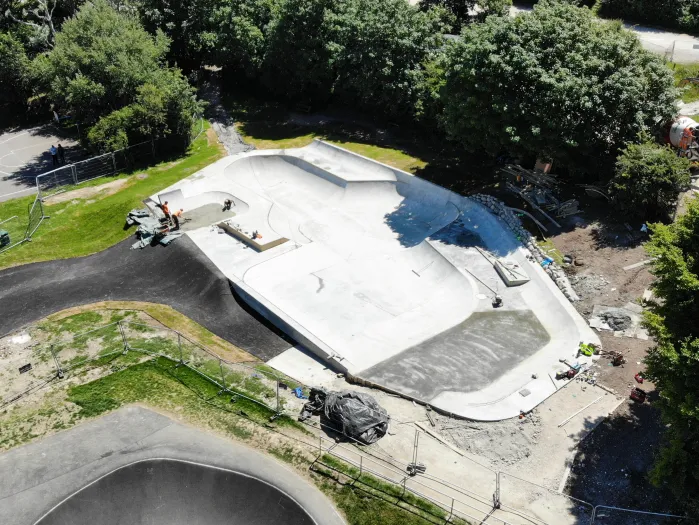
Skateparks are more than concrete playgrounds. At the heart of any successful facility lies a blend of artistic vision, practical engineering and deep understanding of how riders think. Good design doesn’t just look cool in promotional photos; it creates an engaging environment that keeps skaters coming back for more.
Skatepark design is an art that marries form with function. From creating fluid lines that thrill riders to embedding safety without stifling creativity, every decision shapes the experiences of all skatepark users. We explore key principles that distinguish good skateparks from forgettable ones, offering both insight and inspiration for communities planning their own spaces.
Why flow matters to skateboarders
A well-designed skatepark feels natural to users. It is where riders can easily pick up speed, connect tricks, and move around each other without having to think about where to go next. This quality is called flow; it depends on how well every ramp, raised edge, and sloped surface is placed and shaped, ensuring movement is fast, smooth, and enjoyable for everyone, regardless of skill level.
When the flow is bad, skaters have to stop between features, cross paths awkwardly, and often leave the park for better spots. That is why phrases like “skatepark flow” and “best skatepark lines” are popular search terms among riders planning their routes. Good flow starts with understanding how different riders use the space. Street skaters look for lines of ledges, stairs, and rails, while transition skaters focus on corners, bumps, and steep ramps where they can gain speed.
A skatepark that has several paths that cross over each other, like an easy sloped path going through a set of ledges next to a faster route for skilled riders, keeps everyone moving without getting in each other's way. Packing too many features into a small area often ruins this flow, making it harder to find good paths and causing crowding when the park is busy. The best parks prioritise open space rather than adding more obstacles.
Safety starts with the geometry
Safety in modern skatepark design is much more than just putting up a warning sign and telling people to wear helmets. The shape and size of obstacles, their height, and the smoothness of ramps and landings do most of the work to keep people safe by providing surfaces they can rely on and enough room for mistakes. Rules from international groups emphasise smooth curves, wide enough decks and entry points, and the avoidance of sudden bumps or flat spots that can cause wheels to slip.
The surface quality is just as important: smooth, crack-free concrete with the right amount of grip helps prevent falls and keeps wheels from getting stuck on ledges, rails, and stairs. Designers are told to keep cracks, manhole covers, and drains out of main riding paths. If drains are required, they should be flush with the surrounding surface and built to prevent loosening under heavy use. Safety zones along the edges, clear space between riding areas and spectator or resting areas, and avoiding placing fences or posts right next to ledges all help prevent crashes without sacrificing the creative options riders want.
Durability and long-term use
A skatepark that feels great on opening day but gets puddles after the first winter storm will quickly get a bad reputation. Water that sits on the surface not only makes it unusable but also causes damage from freezing and thawing, wears out the concrete faster, and can create slippery algae that remains dangerous long after it rains. Experts recommend gentle slopes of 1-2% across outdoor surfaces to help water drain away, and drains that do not impede main riding paths.
The materials used are key to both the park's longevity and the ride experience. Poured concrete is still the best choice for public parks. Concrete provides a smooth surface, withstands heavy use, and can be shaped into complex forms to improve flow. Designers now often use thicker concrete in areas with drains or where there are big impacts. They also hollow out large features to use less material and avoid surfaces that allow water to pass through, where boards and bikes frequently land. In places with strong sun or cold climates, details such as how the concrete is reinforced, where the joints are placed, and how it is cured become important for the designer, engineer, and builder if the park is to last for decades rather than just a few years.
Designing for mixed abilities
Good public skateparks rarely focus on a single type of riding or skill level; they are places for all ages and for skateboards, BMX bikes, scooters, and inline skates. Modern design focuses on features that help beginners learn safely while still challenging experienced riders. Smaller ramps, lower rails, and gentle ledges leading into bigger, steeper versions of the same things. This welcoming approach aligns with what families look for when searching for “beginner-friendly skateparks” or “parks with both street and bowl sections” before visiting.
Getting this variety without disrupting the space requires careful planning. Street-style areas, open-flow spaces, and bowls can be configured so each has its own feel while sharing skating paths, reducing dead ends and awkward crossings. Designers often work directly with local skaters to test draft layouts and 3D models, ensuring that key tricks and paths are feasible before construction begins. This team effort does more than improve the design; it helps the community feel a sense of ownership and supports long-term care and positive use.
Think about the non-skaters
When people search online for new skateparks, they rarely just type “skatepark”; they often add things like “parking”, “toilets”, “shade”, “family friendly”, and “safe at night”. Meeting these needs means treating the skatepark as a public space where comfort and visibility are as important as the obstacles. Adding amenities such as seating, shade, water fountains, and nearby toilets helps people stay longer, encourages parents to stay, and makes the park more valuable to non-riders.
Clear sight is important, too. Paths and viewing spots should provide clear views of the active areas so the space feels open and safe for passersby. Good lighting can make the park feel more welcoming and enable evening sessions. Even lighting, without harsh brightness or deep shadows, helps riders see distances clearly and makes neighbours feel better. Increasingly, clients want to add plants and green space around skateparks, making the concrete look softer and showing it is part of a larger park, not just a separate area.
By embracing variety, engaging communities, and grounding design in proven principles, planners can create rideable facilities that are enduring urban assets. Understanding the fundamentals of flow, safety, and user experience elevates any park design, whether for first-time council commissions or for refined designer approaches, transforming concrete into possibility.
More on skateparks
For help with your skatepark project, talk to Clark & Kent , specialist builders of BMX tracks and skateparks.
Contact Us
OFFICE
01630 672329
office@clarkkentcontractors.com
Endorsements