BMX track building guidelines
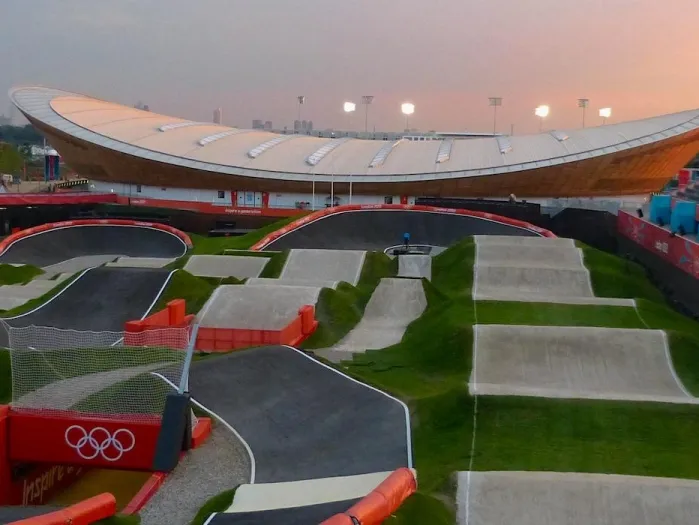
Building a BMX track is an excellent investment in active, healthy recreation for local councils, sports clubs, or private landowners. BMX racing has grown significantly in popularity since its Olympic debut in 2008, with demand for purpose-built tracks rising steadily across the UK and internationally.
BMX track projects range from compact pump tracks in community parks to full-scale national circuits. This guide outlines essential BMX track-building guidelines, including site selection, UCI certification, drainage, surfacing, and maintenance. If you are planning a BMX track, this resource will provide a solid foundation for your project.
Standards matter in BMX track construction
While BMX is an exciting and dynamic sport, the standards for track construction are rigorous and precise. The UCI BMX Track Guide provides comprehensive requirements for design, construction, and certification, including track dimensions, elements, safety requirements, and certification processes. These standards protect riders at all levels, from beginners to elite athletes.
The UCI BMX Track Certificate confirms that a track meets all UCI standards and is valid for two years. An appointed inspector must regularly assess the track to ensure ongoing compliance. Track quality requires continuous maintenance, not just attention at construction. Engaging an experienced, UCI-acquainted track builder from the outset is the most reliable way to achieve and maintain certification.
Getting the Foundations Right
Selecting the right site is crucial in any BMX track project and is often underestimated. A flat area is essential. Approximately 60% of construction involves moving and shaping soil, while the remaining 40% covers concrete work, drainage, and venue preparation. Sites with steep gradients or poor ground conditions increase project complexity and cost.
A basic BMX track typically takes two to three months to complete, with construction best scheduled during dry weather. Choosing the right season can significantly impact both timeline and budget. Land requirements for pump tracks or community circuits are often modest. An experienced consultant will assess your site and provide realistic guidance on what is achievable.
What the UCI guidelines specify
Familiarity with UCI guidelines enables clients to work confidently with contractors and communicate effectively with planning and leisure departments. Part VI of the UCI Regulations defines minimum dimensions and standards for BMX tracks. The UCI BMX Track Guide translates these regulations into practical guidance for design and construction.
The guidelines place special emphasis on starting ramps for all competition levels, including the Olympics and UCI events. Regulations specify electronically controlled start gates with colored lights and voice boxes to ensure fair starts. Understanding these specifications at the club or community level ensures your track can be upgraded for larger events as local interest grows.
A beginner-level UCI-compliant track usually includes a single starting hill 3.5 metres high, at least 12 metres from the gate to the base, with access stairs and safety railings. The total track length is about 370 metres, with two-metre safety zones along the edges.
Drainage, surfacing and infrastructure
Drainage and surfacing are critical to the long-term success of any BMX facility. Poor drainage leads to waterlogging, reduced use, and structural deterioration. Effective drainage design should be prioritised from the earliest planning stages and considered during site selection.BMX race tracks are generally 300 to 400 metres long, built with compacted dirt and stone sub-bases, finished with limestone or tarmac. Community pump tracks increasingly use asphalt or tarmac for year-round, all-weather use and to accommodate a wider range of users. Asphalt surfaces also provide progressive challenges as riders develop their skills.
Larger facilities require additional infrastructure, such as start-hill canopies, spectator fencing, rider staging pens, floodlighting, and marshal points. These elements need careful planning and often require planning permission. An experienced BMX track builder familiar with local authority processes can provide valuable guidance.
Pump tracks are a growing force
Not all BMX projects require national or international standards. Pump tracks are shorter and narrower, featuring rollers, berms, and jumps for continuous movement. They are a popular, cost-effective option for schools, sports centres, clubs, and individuals, and are also suitable for skateboarders, rollerbladers, scooter riders, and mountain bikers.
A well-designed pump track can have a significant impact on the community. For example, Ormiston Pump Track in East Lothian received £45,000 from Scotland's £8 million Cycling Facilities Fund, along with private and community contributions. Its success led East Lothian Council to allocate £250,000 for additional tracks in the region.
This example shows how one successful project can drive broader investment in community cycling infrastructure. As childhood inactivity rises, pump tracks promote exercise in an engaging way, supporting fitness, confidence, social development, and local sport.
Planning, funding and the route to approval
Funding is often the primary concern for communities and clubs considering a BMX track project, and more support is available than many expect. In England, British Cycling's Places to Ride programme has invested millions in community BMX facilities. In Scotland, Sportscotland's Cycling Facilities Fund has supported various club and local authority projects. Section 106 agreements, community infrastructure levies, and sport governing body grants are also valuable funding options.
A specialist BMX track builder with knowledge of UK funding can provide valuable support, including funding application advice, introductions to key contacts, and guidance on aligning your project with both ambition and budget. A well-managed project includes a pre-start meeting, thorough site marking, material procurement, and a clear work programme.
Protecting your track investment
Construction is only the first step. Without proper maintenance, a BMX facility will quickly deteriorate, risk losing UCI certification, and fail to serve its community. Regular inspection and repair of berms, jumps, and rollers are essential. Drainage channels must remain clear, and surfaced areas require periodic attention to prevent damage.
Leading BMX track builders offer ongoing maintenance programmes that cover the critical post-handover period and beyond. This approach upholds construction standards throughout the facility's life, ensuring the track remains safe, enjoyable, and compliant for all users.
BMX tracks need expert guidance
Building a BMX track that is safe, exciting, and built to last requires experience, technical knowledge, and a thorough understanding of UCI BMX track construction standards. Whether you are exploring the possibility of a modest community pump track or planning a full-scale race circuit capable of hosting regional competition, the principles are the same: get the site right, build to the correct standards, plan for drainage and surfacing from the outset, and work with specialists who understand both the construction and the funding landscape.
The sport is growing, community appetite is strong, and funding routes are available for those who know where to look. If you are ready to move your BMX project forward, the next step is to speak with a specialist BMX track-building consultant. Get in touch today to discuss your requirements, your site, and your budget, and find out how straightforward the journey from concept to opening day can really be.
More on BMX tracks
BMX tracks for youngsters
Setting BMX track standards
Pump track design
For help with your BMX project, talk to Clark & Kent , specialist builders of BMX tracks and skateparks.
Contact Us
OFFICE
01630 672329
office@clarkkentcontractors.com
Endorsements