How to get ahead on a BMX track
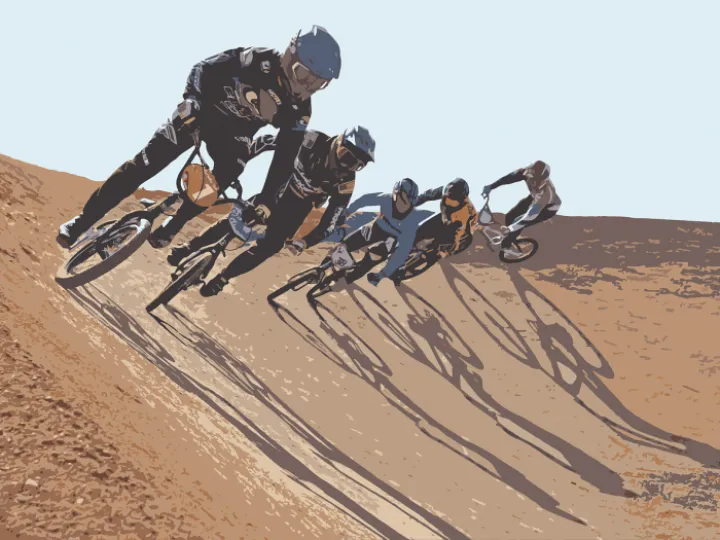
BMX racers need strong legs, flexible arms and a cool head, but the proper mental strategy to improve performance in every race is more than that.
Alongside the regular physical training any BMX track rider needs, there is a mindset that enables faster, more skilful riding.
But, whatever your level of performance, don't lose sight of the joy of BMX racing. Always stay ambitious and eager to improve and learn from each BMX track race, whether you win or lose.
Always aim to improve your fitness and practice riding your bike daily, even for a few minutes. Confidence in your BMX bike skills will make you a better and faster rider on the BMX race track.
But most of all, have fun and enjoyment on the BMX track. Here are some tips that could help you achieve quicker times, smoother rides, and bigger wins on the BMX track.
Know your event
Before starting a BMX race, the rider must know details about the track and the event. Remarkably, riders turn up to BMX events with only minutes to spare before they are out on the course.
Take time to find out where the race is held, how long it will take to get there (assuming some traffic delays on the way), and when the event kicks off.
Allow time to arrive at the venue and prepare for the race. A warm-up ride around the track is an opportunity to tone the muscles and assess the track's characteristics.
Know your track riders
It's a good idea to find out who else is competing in your BMX track event. You can check out the riding styles of many BMX racers on YouTube.
An appreciation of the skill levels of your competitors can give you a real edge when it comes to racing against them.
And nothing beats practice, so the skilled BMX rider will put in the hours on many types of BMX tracks, from mini pump tracks to national-level circuits.
Each BMX track has its quirks, and the more riders know about the different 'feel' of various start gates, berms and jumps, the better prepared they are to tackle new tracks and riding skill tests.
Have a training programme
A good BMX track rider will prepare specifically for upcoming events. If the track is long, say 800 metres, it's a good idea to build up your strength in stages.
Try riding at a fast pace for 200 meters, then 400, 600, and so on, until you can comfortably finish an 800-metre ride while still going strong.
The best riders make a plan and stick to it. They train every day if they can, while pushing themselves just enough. A good rider knows when to ease off; training too hard can leave a rider 'past the peak' or even lead to injury.
Have a plan for the race
You have put in the training and should be at peak performance. You know the competitors, their strengths and weaknesses, and you have a good 'feel' for the BMX track in which you are to compete.
Now is the time to develop a race plan. The good BMX racer will know when tiredness will kick in and, given the strength of the opponents, whether it is a better idea to go for the 'holeshot' out of the gate or to hold back for a strike at the lead.
Use the right BMX machine
It sounds too simple to mention, but it is incredible how many BMX track riders do not have the best machine for their build.
Gearing is especially important, with bigger-build riders needing taller gears. If your BMX racing style is to accelerate out of turns, then a shorter gear may help.
And remember, always give your BMX bike a last-minute check to ensure everything is in working order.
Few BMX races will go strictly according to plan, so the rider cannot afford to be too inflexible. Riders usually ride high outside when tackling the berms, as the outside offers the best view of what other competitors are doing.
But, if the opportunity presents itself, an early pull inside to make a pass can make all the difference.
More on riding skills
For help with your BMX project, talk to Clark & Kent , specialist builders of BMX tracks and skateparks.
Contact Us
OFFICE
01630 672329
office@clarkkentcontractors.com
Endorsements